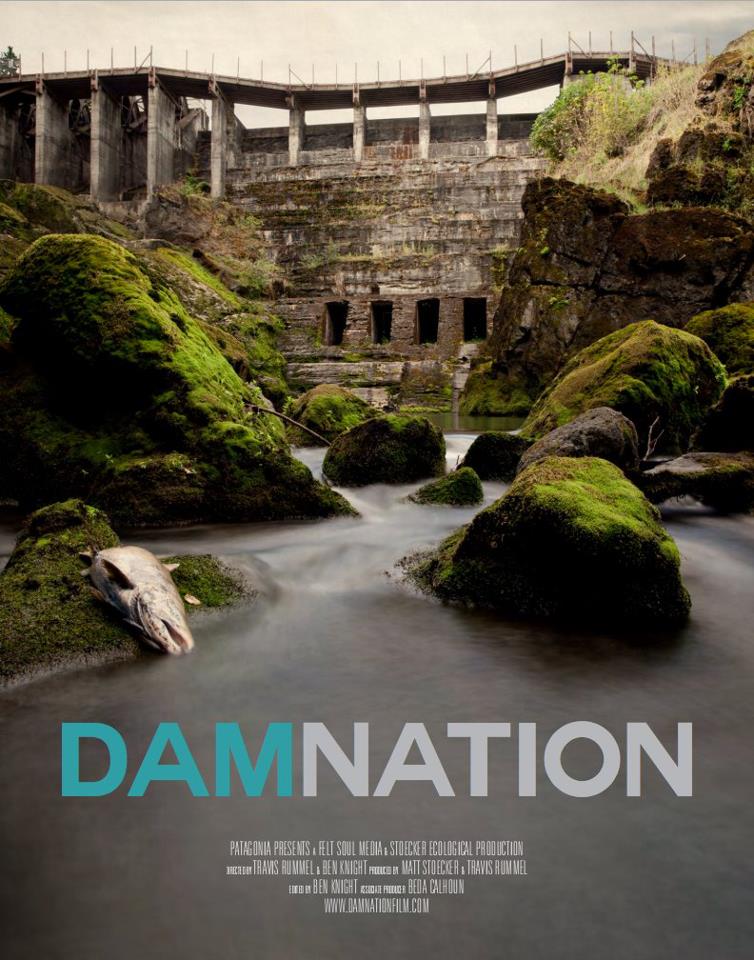
“DamNation” Behind the Scenes: Alaska’s Mega Dam(n) Proposal
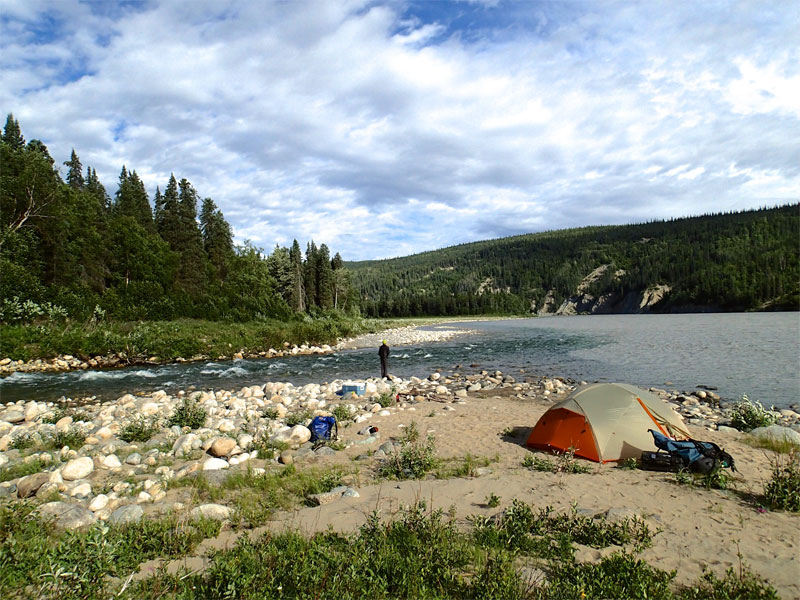
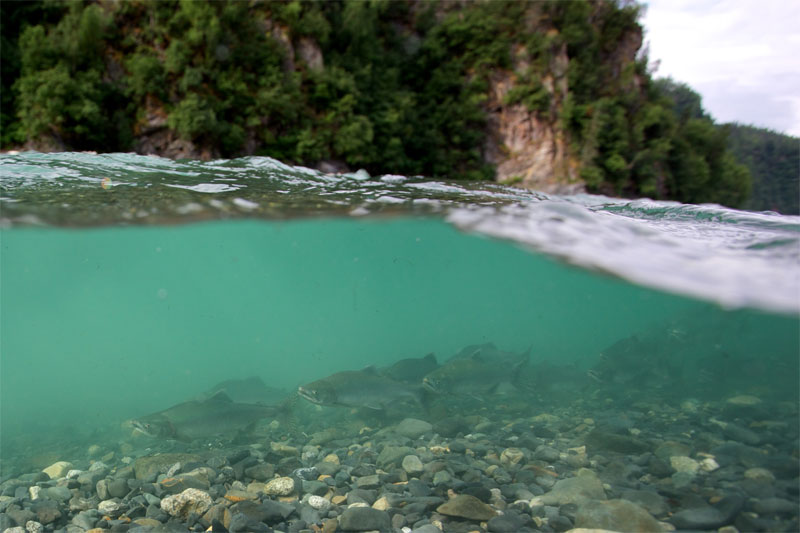
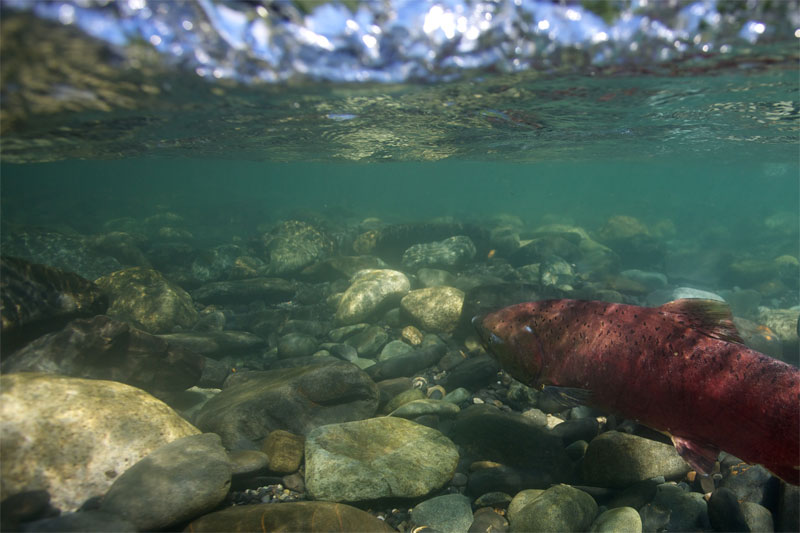
The Susitna is a huge glacial river that drains the indomitable Alaska Range. Denali looms on the horizon. One of America’s last great, wild, undammed rivers, it is home to large numbers of king, sockeye, pink, coho and chum salmon, which push through its heavy currents to spawn in its clear-water tributaries. The “Su” sees the fourth largest king salmon run in Alaska, producing hundreds of thousands of them each year.
The state of Alaska wants to build a 735-foot-high dam on the Susitna to generate electricity. It would be the nation’s second tallest. It’s not the first time the Su has been looked to as a potential source of hydropower. Studies done in the 1950s and ‘80s both explored the feasibility of damming the river. Both agreed that it didn’t make financial sense.
Today is no exception. There are no private investors currently interested in partnering with the state to build the dam. This says a lot about the economics of the project, which would cost an estimated $5.19 billion dollars – more than $7,000 per Alaskan and more than the state’s annual budget. The dam would have an estimated capacity of 300 megawatts of electricity (the Grand Coulee Dam can generate 7,000).
The dam would neither bring down the cost of customer’s electricity, nor help with Alaska’s critical heating needs. Its environmental impacts would be far worse than those of using natural gas, which exists in abundance and is currently used to power turbines and heat homes. Tidal, wind and geothermal power offer possible future substitutes.
Wanting to float the 42 miles of river that might one day be destroyed by the dam’s reservoir, we traveled to Alaska to visit the dam site and document what would be submerged and buried under glacial sediment. The Susitna flows through Alaska-sized country – as cliché as it sounds. Nothing is small.
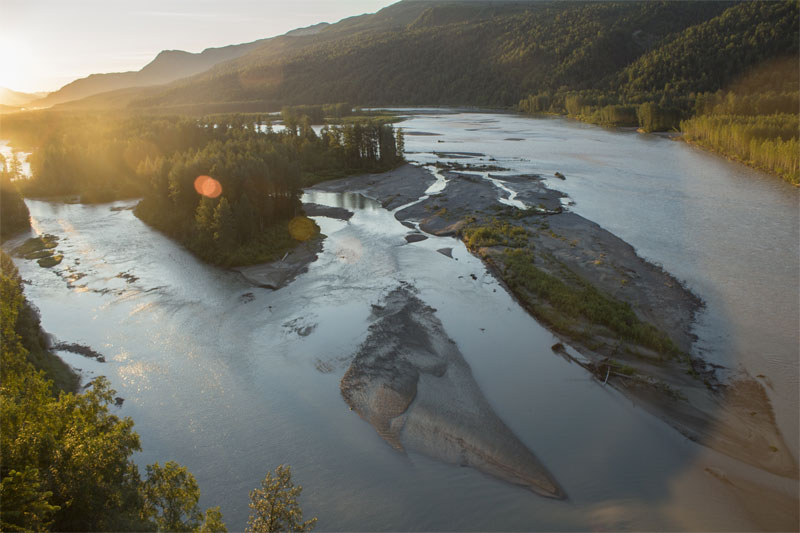
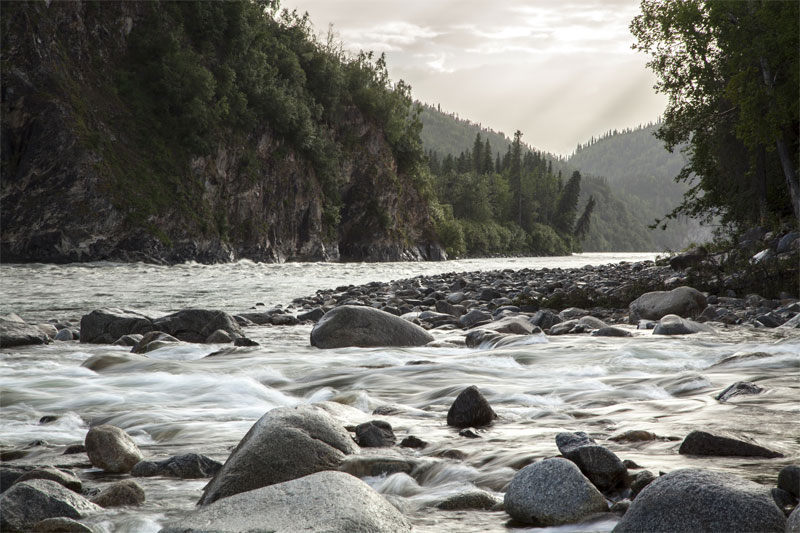
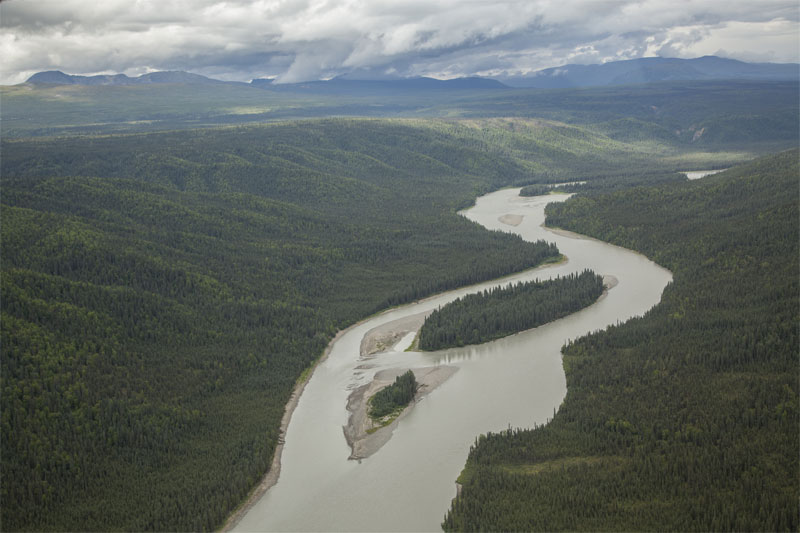
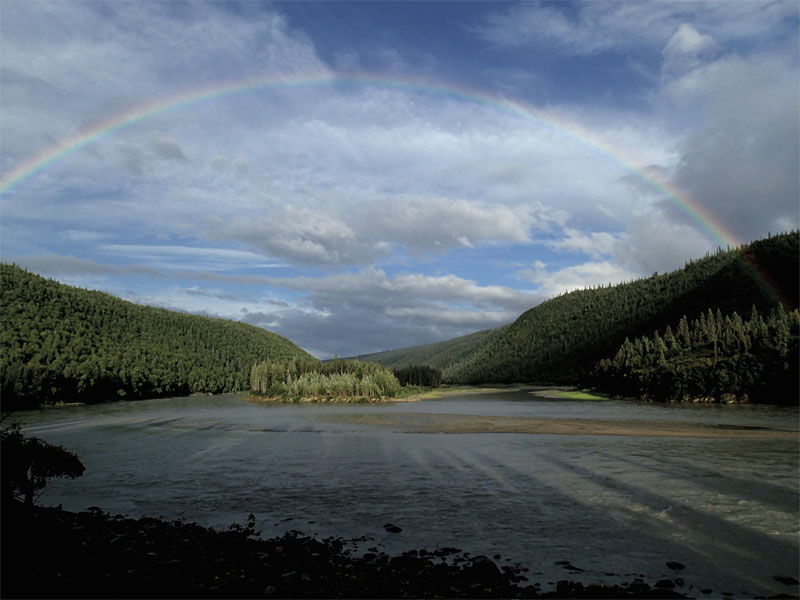
The lower river is accessible by jet boat, and the upper river is crossed just once by the Denali Highway. It is the remote in-between zone where the dam would be built. This was the target of our trip.
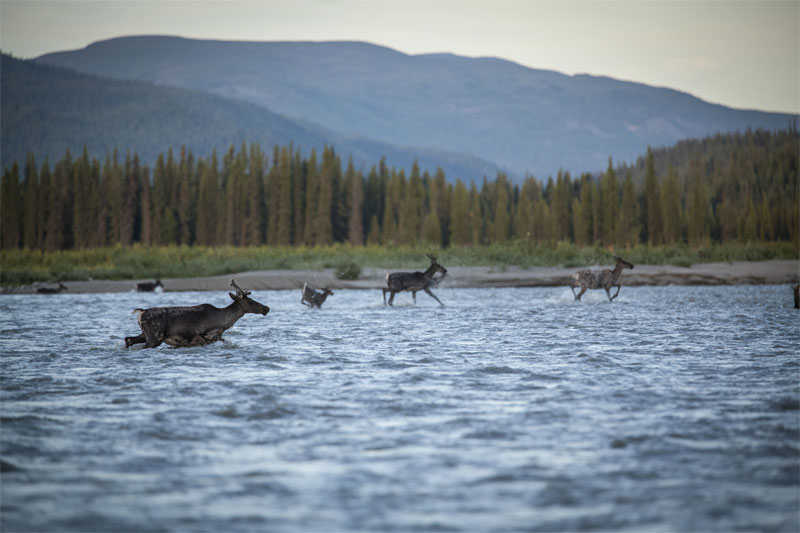
We floated five days from the McLaren River confluence to the mouth of Devil’s Canyon, where the normally broad river squeezes through a bedrock gorge to produce some of the largest and most challenging whitewater in North America. Covering more than a hundred river miles by boat, we saw groups of caribou, sometimes hundreds of them, around almost every bend. There were signs of wolves and bears along the banks, but not a single person; that is outside of the daily storm of helicopters hovering overhead that had been employed to study the proposed dam.
Upstream from Devil’s Canyon and the proposed dam site, we explored crystal-clear tributaries with world-class grayling fisheries, 200-foot waterfalls and river-side cliffs with falcons. We found hundreds more caribou along the extensive floodplain and thickly forested riparian zone. One huge gravel bar within the dam site’s proposed reservoir appeared to be a caribou proving ground. Half a dozen huge males jousted, their massive antlers colliding, while a hundred females circled and watched the display.
At one of our campsites near the mouth of Kosina Creek, we sipped whiskey while watching group after group of caribou come down the opposite river bank, swim the frigid half mile-wide-river and land on both sides of us under a fading pink and purple sky. We’d read studies and heard reports of tenacious chinook salmon spawning in this beautiful tributary after powering through Devil’s Canyon – undoubtedly one of the hardest salmon migrations in North America.
Trying to tame the mighty Susitna seems foolish, particularly since the river is entombed in ice much of the year. That any “scientist” being paid to study the proposed dam would call this place a “biological desert,” as we’d heard, or any government proposing to destroy it in the name of “green energy,” seems too ridiculous to fathom. But this is what’s said and what’s planned.
The state of Alaska has authorized expenditures of $165 million to push the project through the Federal Energy Regulatory Commission’s expedited permitting process. As farcical as it might sound, the project is very real.
“It’s like finding out that your best friend has been diagnosed with terminal cancer,” said Mike Wood, who lives on the bank of the river with his wife.
Check out this footage from one of the first whitewater descents of Devil’s Canyon:
A more modern day descent of Devil’s Canyon:
[Video: Jeff Shelton]
Get involved / Voice your opposition
- The Alaska coalition leading the fight against the dam: stopthedam.org
- The Alaska State Energy Authority: susitna-watanahydro.org